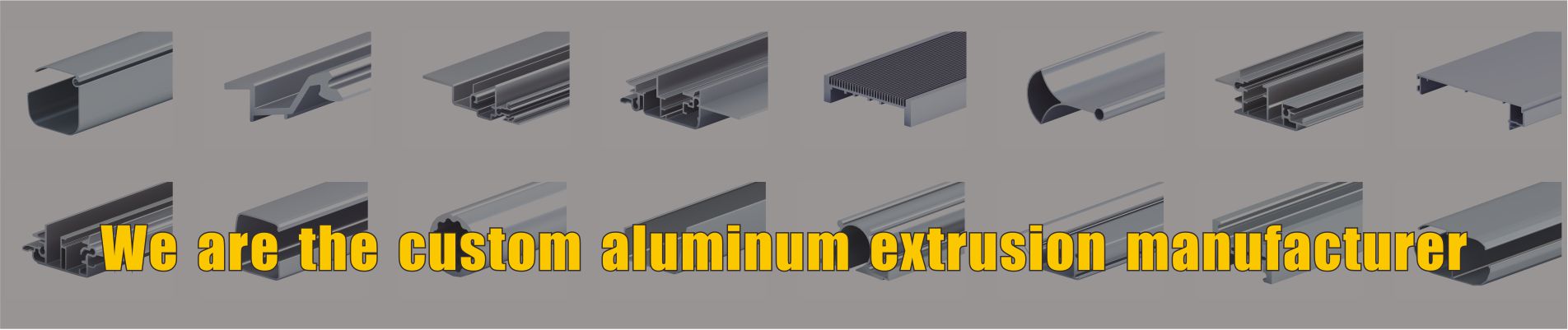
Choosing the right aluminum extrusion supplier for automotive components involves more than comparing material prices. Automotive applications require consistent dimensional accuracy, reliable mechanical performance, good surface quality, and manufacturing processes that can meet specific design requirements. From car sunroof guide rails to electric vehicle battery tray profiles, every aluminum component must be designed and manufactured according to its intended application.
For automotive manufacturers and component buyers, selecting a capable custom aluminum extrusion manufacturer is an important step in controlling product quality, production efficiency, and long-term costs. Before placing an order, buyers should evaluate the aluminum alloy, profile design, extrusion capacity, secondary machining, surface treatment, and supplier quality management system.
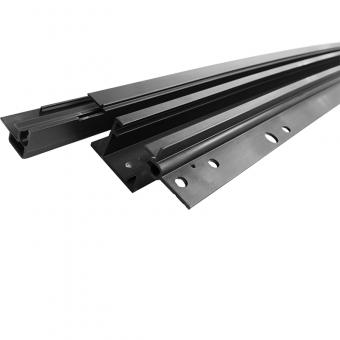
Automotive aluminum extrusions are used in different vehicle systems, and each application has its own technical requirements. A sunroof guide rail, for example, needs accurate cross-sectional geometry and a smooth surface to support reliable movement. Battery tray profiles require suitable structural strength, dimensional consistency, and compatibility with subsequent assembly processes.
Other common applications include roof racks, anti-collision structures, vehicle pedals, charging equipment housings, and interior structural components. These parts may look similar in material, but their design requirements can be quite different.
Before choosing a supplier, buyers should identify the component's function, installation position, expected load, operating environment, and connection method. Providing CAD drawings, 3D models, or physical samples helps the manufacturer understand the required cross-section and recommend a suitable extrusion and processing solution.
For projects involving vehicle roof systems, buyers can also review aluminum track profiles for car sunroof rails to understand how custom aluminum sections are used in automotive guide rail systems.
Aluminum alloy selection directly affects the strength, weight, corrosion resistance, formability, and processing performance of an automotive component. There is no single alloy that is suitable for every automotive extrusion project. Buyers should select the material according to the component's mechanical requirements and manufacturing conditions rather than choosing an alloy based only on its price.
Several aluminum alloys are commonly considered for custom automotive extrusion projects:
The final selection should also consider temper, wall thickness, extrusion complexity, heat treatment, and applicable automotive specifications. For example, a lightweight guide rail may prioritize profile accuracy and surface quality, while a structural battery tray component may require a more detailed assessment of strength, stiffness, and joining performance.
SDQL works with aluminum alloy grades including 6061, 6063, 6082, and 6005, among others. Material selection can be discussed according to customer drawings and product requirements.
A well-designed aluminum extrusion profile should meet its functional requirements while remaining practical to manufacture. Wall thickness, cross-sectional geometry, hollow sections, corner radii, and dimensional tolerances can all affect extrusion stability and final product quality.
For example, a profile with complex hollow structures may require specialized extrusion die design. Uneven wall thickness or poorly balanced geometry can create challenges during metal flow and increase the risk of dimensional variation. This is why early communication between the buyer's engineering team and the extrusion manufacturer is important.
Buyers should ask whether the supplier can develop custom extrusion dies, evaluate the feasibility of the original design, and provide suggestions before mass production. A manufacturer with in-house mold development and extrusion capabilities can coordinate these processes more efficiently.
SDQL provides custom aluminum extrusion based on customer CAD drawings, 3D designs, and samples. Its production facilities include mold manufacturing and multiple extrusion production lines, with a maximum extrusion press capacity of 3,600 tons. This allows the company to support different profile sizes and manufacturing requirements.
Dimensional accuracy is especially important for automotive aluminum components that must connect with other parts during assembly. Even a small deviation in hole position, profile length, flatness, or cross-sectional dimensions may affect installation, alignment, and overall component performance.
Buyers should confirm which dimensions are critical, what tolerances are required, and how the supplier controls these dimensions during production. It is also important to distinguish between extrusion tolerances and tolerances achieved after secondary machining. Not every precision requirement can be controlled through extrusion alone.
Depending on the component design, additional operations may include:
Working with a supplier that provides both extrusion and secondary machining can reduce coordination between different manufacturers. For buyers seeking integrated processing support, aluminum profile CNC machining services are worth considering during the supplier evaluation process.
Automotive aluminum components may be exposed to moisture, temperature changes, dust, road contaminants, and repeated contact during use. Surface treatment helps improve appearance and can provide additional protection depending on the application and coating system.
Common surface treatment options include:
The right treatment depends on the component's installation environment, appearance requirements, dimensional tolerances, and subsequent assembly processes. Buyers should also confirm whether the coating thickness and surface condition are compatible with the final product design.
For instance, automotive sunroof guide rails may require a controlled anodized finish, while other components may need powder coating or a different protective treatment. Surface treatment should therefore be included in the technical discussion before production begins.
Automotive supply chains place high demands on manufacturing consistency and traceability. Buyers should not evaluate an aluminum extrusion supplier only by its equipment or production capacity. Its quality management system, inspection procedures, material control, and ability to maintain stable production are equally important.
Before selecting a supplier, consider asking the following questions:
SDQL holds IATF 16949 automotive quality management system certification, alongside ISO 9001 and other management system certifications. Its manufacturing operations cover mold development, casting, extrusion, machining, and surface treatment, supporting a more integrated production process for custom aluminum components.
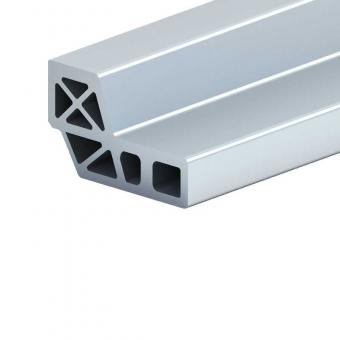
For automotive projects such as electric vehicle battery enclosures and structural profiles, buyers can explore custom new energy battery tray aluminum profiles to learn more about the company's product capabilities.

The lowest quotation does not always represent the most economical choice for an automotive aluminum extrusion project. Buyers should consider the total cost of the project, including mold development, raw materials, extrusion, machining, surface treatment, inspection, packaging, and transportation.
A supplier offering integrated manufacturing services may help reduce transportation expenses, communication delays, and quality coordination between different production stages. On the other hand, a quotation that excludes important machining or finishing operations may lead to additional costs later.
It is also important to confirm minimum order quantities, tooling ownership, sample costs, production lead times, and repeat-order arrangements. These factors can have a significant impact on the total purchasing cost, especially for customized automotive components.
Anhui Shengda Qianliang Aluminum Co., Ltd. (SDQL) specializes in aluminum profile manufacturing and customized processing. Established in 2008, the company operates a manufacturing facility covering approximately 110,000 square meters and provides integrated services covering mold design, casting, extrusion, CNC machining, and surface treatment.
For automotive aluminum extrusion projects, SDQL offers several capabilities:
The company provides customized automotive aluminum profiles for applications such as sunroof guide rails, luggage racks, battery trays, and other vehicle components. By coordinating extrusion, machining, and finishing processes, SDQL aims to help customers develop aluminum profiles that meet their specific product requirements.
If you are sourcing a custom aluminum extrusion manufacturer for an automotive project, you can visit the automotive aluminum extrusion product category or contact SDQL to discuss your drawings, material requirements, and processing specifications.
Which aluminum alloy is commonly used for automotive extrusion components?
6061, 6063, and 6082 are commonly considered for automotive aluminum extrusion projects. The appropriate alloy depends on the component's required strength, profile geometry, surface finish, corrosion resistance, and machining requirements.
What should buyers provide when requesting a custom automotive aluminum extrusion quotation?
Buyers should ideally provide CAD or 3D drawings, aluminum alloy specifications, temper requirements, dimensions and tolerances, surface treatment requirements, order quantity, and expected delivery schedule. Physical samples can also help clarify design details.
Why is CNC machining important for automotive aluminum profiles?
CNC machining allows manufacturers to produce accurate holes, slots, mounting surfaces, and other functional features that cannot always be achieved through extrusion alone. It helps customized aluminum profiles meet assembly and dimensional requirements.
What surface treatments are available for automotive aluminum extrusions?
Common options include anodizing, hard anodizing, powder coating, electrophoresis, polishing, and brushing. The appropriate treatment depends on the component's operating environment, appearance requirements, and functional specifications.
How can buyers evaluate an automotive aluminum extrusion manufacturer?
Buyers should review the manufacturer's automotive quality certifications, alloy options, extrusion press capacity, mold development experience, machining capabilities, inspection procedures, and experience with similar automotive components. The ability to provide integrated manufacturing services is also an important consideration.
Can SDQL manufacture custom automotive aluminum profiles according to customer drawings?
Yes. SDQL provides customized aluminum extrusion based on customer CAD drawings, 3D designs, and samples. The company can also provide related machining and surface treatment services according to project requirements.
Choosing an automotive aluminum extrusion supplier requires a careful evaluation of material selection, profile design, manufacturing capabilities, machining accuracy, surface treatment, and quality management. By considering these factors before placing an order, buyers can reduce production risks and establish a more reliable supply chain for automotive aluminum components.
Looking for a reliable partner for your next automotive aluminum extrusion project? Contact SDQL and share your drawings or samples to discuss a customized manufacturing solution.

 IPv6 réseau pris en charge

 fr
 English
 español
 ไทย
 Tiếng việt